Account
Contact
Search 
0

Down Syndrome Learning Difficulties: What to Expect and How to Support

Homeschooling a child with Down syndrome is about balance. It’s about challenges and potential. Homeschooling can support growth and provide unique opportunities to address difficulties. Growth happens. It unfolds at its own pace, and many times, there are seeds of potential sprouting that you didn’t know were there until the flower blooms. When parents hold expectations loosely and focus instead on nurturing the gifts and talents that appear, homeschooling can become an experience of joyful discovery.

Understanding Down syndrome learning difficulties equips families to cultivate that growth with clarity and confidence. While challenges are real, so are strengths. And with thoughtful instruction and the right Down syndrome learning resources, meaningful academic progress is not only possible but deeply rewarding.

How Does Down Syndrome Affect Learning?

One of the many ways Down syndrome affects learning is due to a mild to moderate learning disability. It might look like poor attention span, difficulties with short-term memory, and slower acquisition of motor and speech skills.

This means learning happens more slowly and new concepts must be introduced step by step, intentionally, with no gaps. Researchers at Boston Children’s Hospital report that children with Down syndrome are often strongest at visual learning, understanding information best when they can see it, either through pictures or with objects.

Cognitive profile overview

Children with Down syndrome typically demonstrate:

  • Strong social awareness
  • Visual learning strengths
  • Relative strengths in imitation
  • Challenges with verbal working memory
  • Slower processing speed

Strengths and learning differences

It helps to think in terms of differences rather than deficits. Many children with Down syndrome are highly motivated by connection. They often respond beautifully to encouragement, routine, and predictable structure. Their warmth and relational nature can become powerful assets in a homeschool environment built on trust.

Common Down Syndrome Learning Difficulties

Down syndrome learning problems

Some learning problems associated with Down syndrome appear consistently across academic areas. Recognizing them early allows parents to plan proactively.

Language development challenges

Expressive language is often more affected than receptive language. A child may understand far more than they can articulate. Speech clarity may also develop slowly.

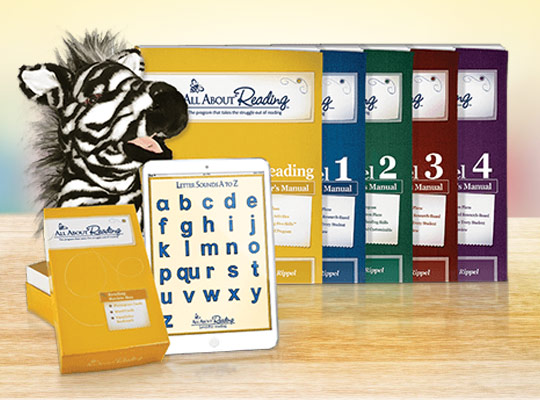
This language gap can impact reading comprehension, written expression, and math word problems. Patient, systematic instruction in phonological awareness can make a significant difference. Phonological awareness is a fancy term for the ability to hear and identify letter sounds in spoken words. Learn why Phonological awareness is so important and discover 6 fun ways to help your child develop it. All About Reading from All About Learning Press is an exceptional phonics-based reading program, particularly well-suited to teaching struggling learners who need step-by-step, intentional instruction in each concept, with plenty of cumulative review and lessons that move at the child’s pace.

Memory and processing differences

Short-term auditory memory is frequently a challenge. Multi-step verbal directions may be forgotten as soon as they are heard.

Strategies that help include:

  • Visual checklists
  • Written steps
  • Repetition
  • Breaking directions into single actions

Processing speed may also be slower. Patience with plenty of encouragement is key.

Attention and executive functioning

Attention spans can vary considerably, as can organizing skills. Executive functioning skills such as planning, initiating, and shifting between tasks may require explicit teaching, plenty of repetition, and creativity as you try different approaches. Executive functioning skills make it easier to manage all aspects of life. All About Learning Press teaching methods can help your child build these all-important skills. Learn more with this article on Executive Functioning.

Routine is often a powerful stabilizer. Predictable daily rhythms reduce cognitive load, create a sense of security, and free up energy for learning.

Down Syndrome and Learning Disorders

It is important to distinguish between Down syndrome itself and a separate learning disorder.

A learning disorder includes conditions such as dyslexia and dyscalculia that are neurological in nature and affect individuals’ abilities to receive, process, store, and/or communicate information.

Down syndrome affects overall development, including physical features, common health issues, and general intellectual ability. A learning disorder specifically affects reading, writing, or math, rather than overall cognition or physical health. However, an individual with Down syndrome can also meet criteria for a specific learning disorder. For example, a child may have Down syndrome and dyslexia.

An experienced evaluator can help determine whether additional diagnoses apply and whether specialized interventions are warranted.

Evidence-Based Teaching Strategies

Reading

For many years, teachers believed that, because children with Down syndrome generally have strong visual processing skills, the optimal way to teach reading was to memorize sight words. Research has since discovered these children can learn to read using phonics as soon as they can sit quietly with an instructor for up to 5 minutes at a time.

Research has repeatedly shown that decoding words using phonics is the optimal method for developing competent readers.

The same research suggests the ideal approach includes structured, customized, explicit, one-on-one instruction. The study’s authors said, “Reading activities play an important part in developing speech and language competence and working memory capacity.”

In other words, children need more than worksheets. They need learning activities that engage all the learning channels: auditory, visual, and kinesthetic.

All About Reading is particularly well-suited to those learning objectives:

  • Phonogram-based
  • Lessons are incremental
  • Every concept is covered explicitly
  • Multisensory activities are included
  • Progress is customized to the child’s abilities

Learn about how real moms are using All About Reading for their Down syndrome child.

Math

In math, all the same teaching strategies for reading apply, except for phonograms, of course.

Conceptual understanding should precede memorization. Manipulatives such as counters, number lines, and base-ten blocks support comprehension.

Materials like All About Math are designed to build concepts incrementally through cumulative review and hands-on engagement, benefiting learners who need additional repetition.

Explore these lesson samples to learn how All About Math incorporates research-backed, multisensory lessons that can help your child make meaningful progress.

Down Syndrome Learning Resources

Useful Down syndrome learning resources include:

  • Structured literacy curricula
  • Visual math supports
  • Speech-language therapy
  • Occupational therapy for fine motor skills
  • Parent training and support networks

Collaborating with therapists can help align homeschool instruction with therapeutic goals.

Accommodations may include:

  • Extended time
  • Reduced workload with structure and consistency
  • Projects and oral evaluations instead of written tests
  • Frequent breaks

The goal is customized learning, not easier work.

With one-on-one instruction and the regular review included in All About Learning Press curriculum materials, the teacher will have concrete data about the student’s progress, abilities, and weaknesses, so introducing new material continues to move forward at the pace that is best for each child.

Therapy and intervention options

Early intervention services, speech therapy, occupational therapy, and, when appropriate, behavioral supports can significantly enhance academic readiness.

Supporting Confidence and Independence

Developing confidence and strong support systems are foundational to academic success.

Focusing on strengths

Many children with Down syndrome display empathy, persistence, and strong visual memory. Designing learning experiences that highlight and recognize these strengths fosters confidence.

Setting realistic, meaningful goals

Goals should be individualized and functional. Become a student of your student. Help them uncover strengths and interests. Pay close attention to areas of struggle and acknowledge when full potential has been achieved. Teach valuable life skills to instill resilience and a sense of autonomy.

Celebrating incremental progress

Progress may arrive in inches rather than miles. Celebrate the inches. While we hold high expectations and hopes for our children, sometimes focusing on the end goal leaves us blind to the tiny wins that move our child toward that goal post. The progress charts in every level of All About Learning materials are a wonderful way to track your student’s progress.

FAQs

Do all children with Down syndrome have learning difficulties?

While the range of challenges is vast, almost all children with Down syndrome do experience at least some level of cognitive delay in some area of learning.

Can children with Down syndrome learn to read fluently?

Yes, many of them can. Using an exceptional, structured, step-by-step, multisensory reading program like All About Reading, you will give your child the best possible chance of reaching their full potential.

How early should intervention begin?

Intervention can begin as soon as possible. Reading aloud to toddlers, pointing out letters on signs, matching and sorting games, and other play-based activities are valuable pre-learning activities.

What type of curriculum works best?

Curricula that work best for children with Down syndrome should be:

  • Systematic
  • Explicit
  • Multisensory
  • Mastery-based
  • Incremental

Many homeschool families find that thoughtfully designed programs, such as those from All About Learning Press, provide the structure and clarity that support steady growth.

Research

  1. Boston Children’s Hospital. (n.d.). Down syndrome. https://www.childrenshospital.org/conditions-treatments/down-syndrome
  2. Developmental Synaptopathies Research Foundation (n.d.) Reading and Education Resources: https://dsrf.org/resources/information/education/reading/
124

Giveaway – All About Math Level of Your Choice

Enter to win!

This month you can enter to win the All About Math level of your choice. If you haven’t used AAM before, we’ll also include an All About Math Manipulatives Kit to make sure you’ve got everything you need to succeed!

Continue reading…

8

Getting Ready to Go Back to Homeschool: A Practical Guide for a Strong Start

There’s something special about the fresh start of a new homeschool year. New supplies. A clean planner. The hopeful feeling that this year, everything will click. Whether you’re a seasoned homeschooler or just getting started with homeschooling, still figuring out your rhythm, back-to-school season is a chance to reset, refocus, and come back to the table with renewed energy for both you and your child.

Continue reading…
2

Homeschooling and Working Full Time: Realistic Strategies for Busy Parents

Homeschooling while working is a difficult but rewarding choice. For many parents, it feels impossible because they can’t fit the mold of a stereotypical homeschooling family. The vision of a stay-at-home mom, baking bread, raising 5 kids, attending co-op classes, going on field trips, and working together in the huge family garden is more of a fantasy than reality, however. The reality is, there are as many flavors of homeschooling as there are families doing it.

Continue reading…

575

Giveaway – $100 Gift Certificate

Enter to Win!

This month you can win a $100 Gift Certificate that can be used toward your purchase of All About Reading, All About Spelling, All About Math, or any products on the All About Learning Press website.

Continue reading…
10

Introducing All About Math Level 5!

All About Math Level 5 is the final of five levels in a delightful, multisensory program that carefully builds children’s understanding of how our number system works. This new level builds upon the foundation laid in All About Math Levels 1, 2, 3, and 4, introducing multiplication and division of fractions and decimals, generating and analyzing graphs and coordinate grids, exponents, and much more!

Continue reading…
324

Giveaway – All About Spelling Level of Choice

All About Spelling Giveaway from All About Learning Press

Enter to win!

This month you can enter to win the All About Spelling level of your choice. If you haven’t used AAS before, we’ll also include a Letter Tiles and a Spelling Review Box to make sure you’ve got everything you need to succeed!

Continue reading…

6

Mathematics Fluency: More Than Memorizing Math Facts

When math feels slow, frustrating, and full of one step forward, two steps back, the issue may not be ability so much as fluency. Math is like learning to read. A traditional math curriculum relies on rote memorization, similar to some older reading programs, which teach students to memorize sight words rather than decode letter sounds. Memorization can provide a quick win because the student learns to match memorized answers to math facts or to read by recognizing sight words.

Continue reading…
8

Teaching Reading at Home with Confidence and Clarity

“It wasn’t a matter of my kid not being capable. It was a matter of they just hadn’t had enough repetitions yet. They hadn’t seen it enough. And when they did, it clicked.”


— Katie Waalkes
Homeschool Expert and Creator of Life in the Mundane

Teaching your child to read can feel like a high-stakes, all-or-nothing endeavor. Continue reading…

10

Number Reversals | Why They Happen & How to Help

Reversing numbers is extremely common in young children but can raise concerns for parents, who wonder whether it is a sign of dyslexia. It can be, but by itself, it isn’t a definitive symptom of dyslexia. As we discuss in this article, dyslexia primarily involves the recognition, processing, and use of written language. It’s far more complex than reversing or mixing up letters and numbers. Remember that almost all children under age eight or so may get numbers backwards as they learn to master both the shape and the process of writing that shape.

Continue reading…
635

Giveaway – All About Reading Level of Choice

All About Reading Level of Choice - Giveaway from All About Learning Press

Enter to Win!

This month you can enter to win the All About Reading Color Edition level of your choice, which includes the Teacher’s Manual, Student Packet, and readers! If you haven’t used AAR before, we’ll also include Letter Tiles and a Reading Review Box to make sure you’ve got everything you need to succeed!

Continue reading…

579

How to Beat the Summer Slide

Have you heard of the “summer slide”? Unfortunately, it’s not the fun kind of slide you’ll find at a water park or playground. This slide is different. It’s a slide that no mom wants her child to ride.

Continue reading…